The 1,000-Year-Old Drink: The Science Behind Iceland’s Pristine Water
The 1,000-Year-Old Drink: The Science Behind Iceland’s Pristine Water
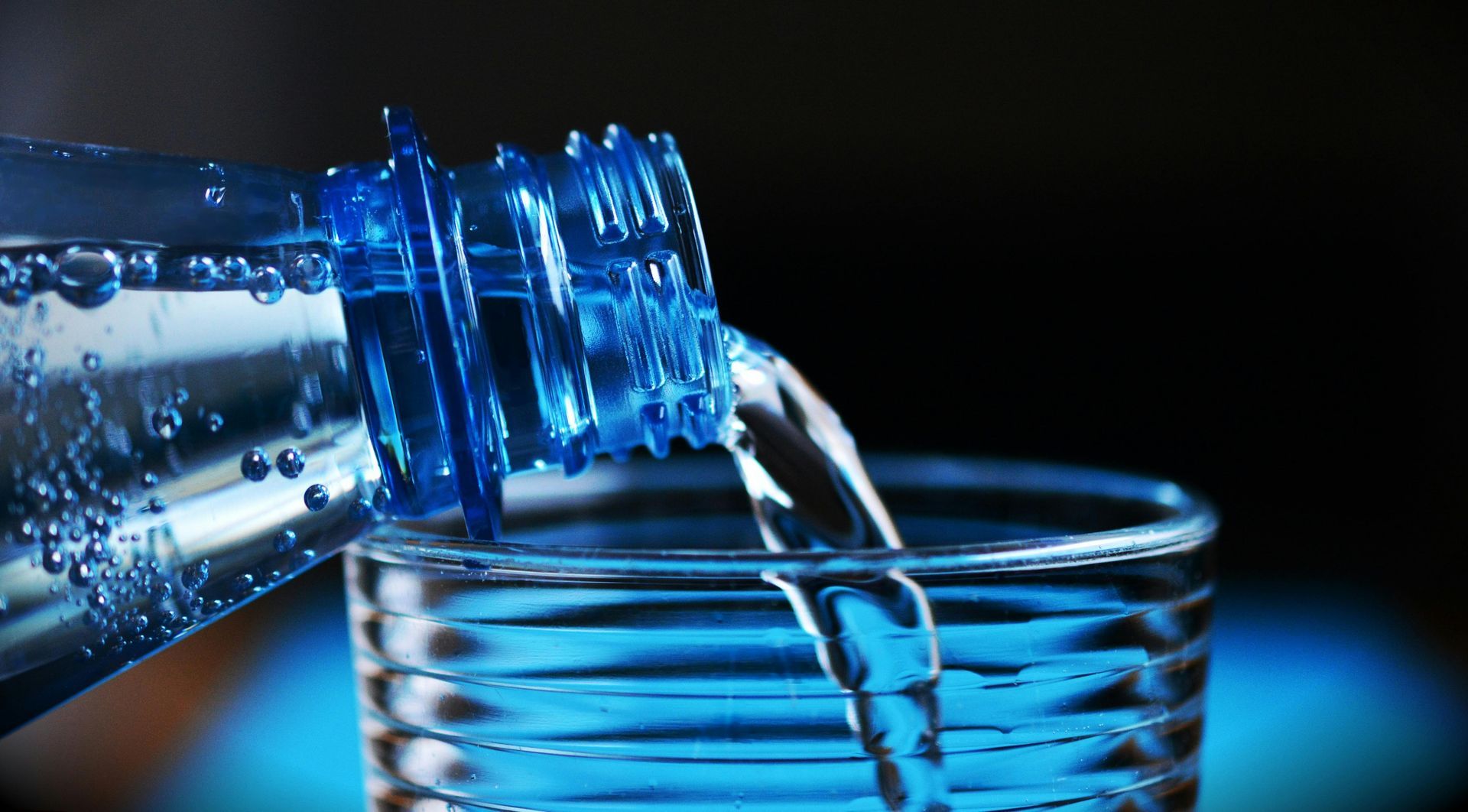
When I pick up guests for a private transfer from Keflavík Airport, one of the first things I do is hand them a bottle—not of expensive mineral water, but of empty glass.
I tell them: "Welcome to Iceland. You are about to drink water that has been traveling through volcanic rock since before the industrial revolution."
To most, it’s just a refreshing drink. But as a specialist in Iceland’s water and geothermal systems, I see it as a geological miracle. Here is the science of why your tap water in Iceland is unlike anything else on Earth.
1. The Natural Filtration of Basalt
Iceland is primarily made of basaltic lava rock. This rock is incredibly porous, acting like a giant, island-sized sponge. When rain or glacial melt hits the ground, it doesn’t just sit there; it begins a slow, downward journey through thousands of layers of volcanic ash and rock.
This isn't a quick process. In many parts of Iceland, it takes decades—and in some aquifers, over 1,000 years—for a single drop of water to filter from the surface to the underground reservoirs we tap into today. By the time it reaches your glass, every impurity has been stripped away by nature’s own carbon filter.
2. No Chemicals, Just Chemistry
In most countries, tap water must be treated with chlorine or fluoride to make it safe. In Iceland, we don't need to. Because the water is protected by thick layers of lava, it is naturally alkaline (with a healthy pH between 6.5 and 9.5) and incredibly soft.
When you drink from the tap in your hotel or a spring during one of our private excursions, you are drinking "raw" water in its purest state—untouched by human chemicals.
3. The "Two Taps" Rule
One thing that surprises my guests during their Reykjavík transfers is the smell of the hot water.
- The Cold Tap: This is the 1,000-year-old spring water. It is odorless, ice-cold, and delicious.
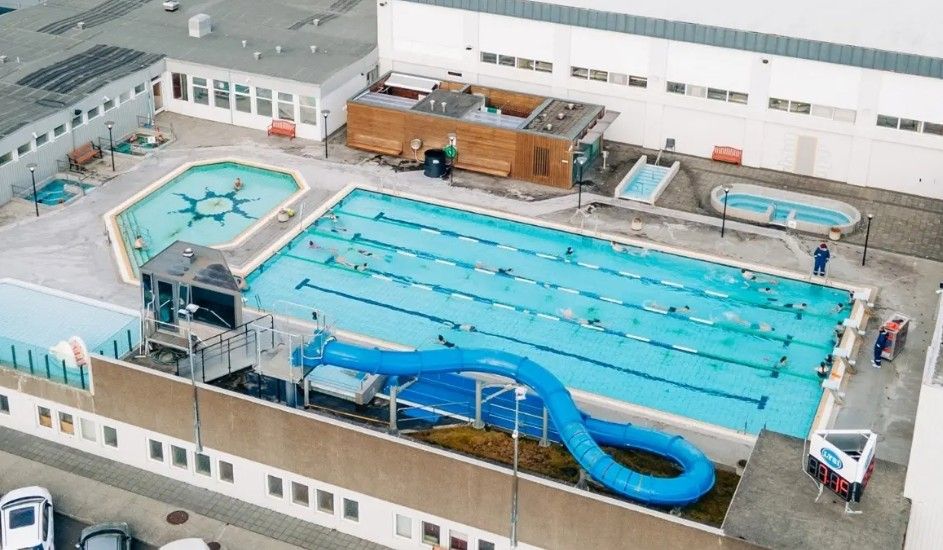
- The Hot Tap: This is geothermal water. It comes from deep boreholes and contains natural sulfur (hydrogen sulfide). While it smells a bit like eggs, it is the secret to why our skin stays so soft and why our homes are heated by the earth itself.
Why It Matters for Your Trip
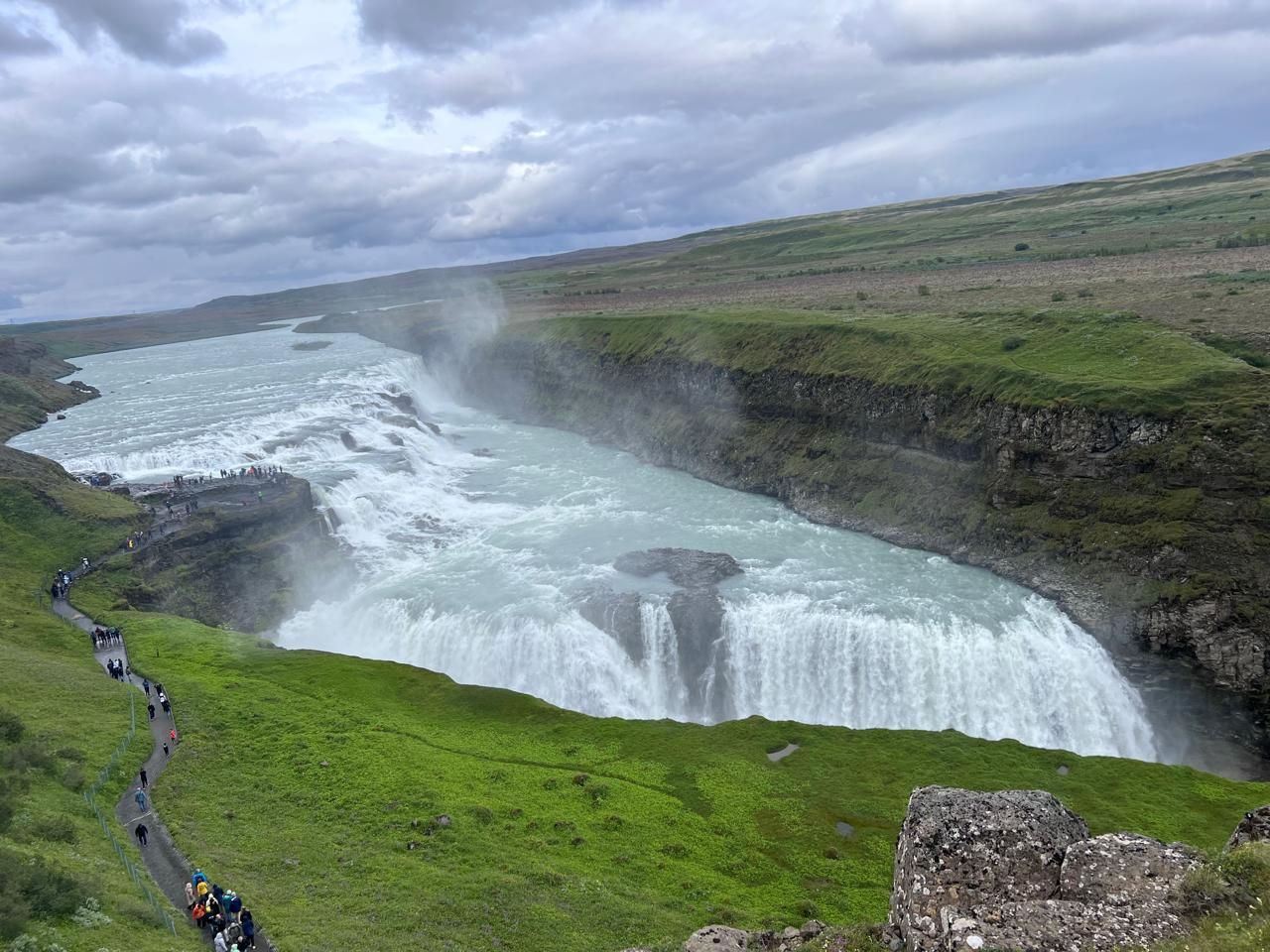
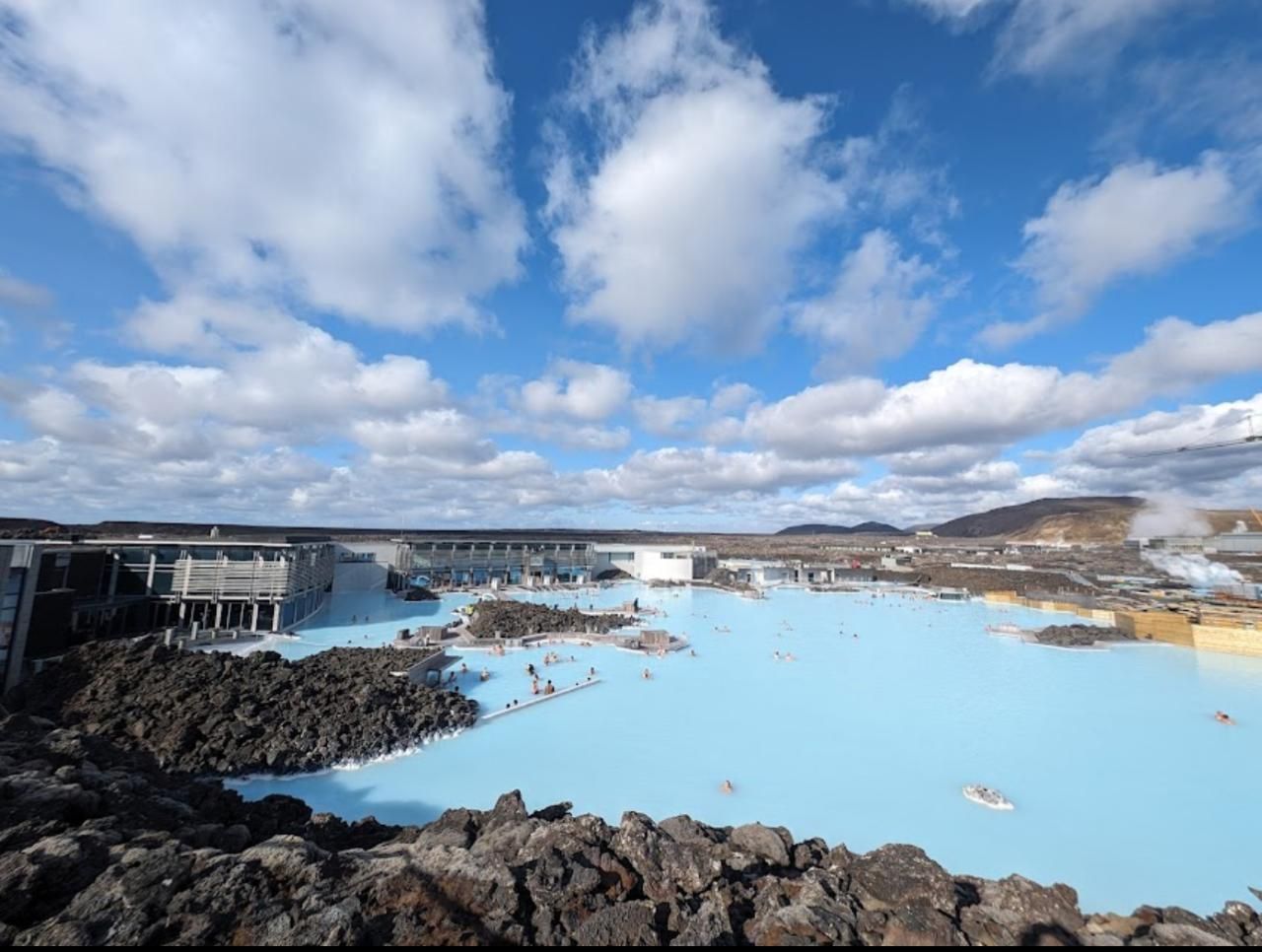
Understanding the science of our water changes how you see the landscape. When we visit the Golden Circle or the Blue Lagoon, we aren't just looking at "sights"—we are looking at the culmination of a thousand-year-old cycle of energy and filtration.
If you’re looking for a deeper connection to the Land of Fire and Ice, join me for a tour where we explore the hidden mechanics of the world beneath our feet.